
It’s necessary to understand how graphic design impacts your user experience, both online and offline. Effective design not only captures attention but also guides users seamlessly through their journey. By focusing on visual hierarchy, consistency, and intuitive navigation, you can significantly boost engagement and satisfaction. This post will explore five key ways that graphic design elevates user experience, helping you create more effective interactions and lasting impressions, whether on a website or in a physical space.
The Emotional Impact of Color Schemes
Color schemes evoke emotions and influence decision-making. By strategically choosing colors, you can enhance user experience both online and offline. The emotional resonance of color can guide users through a website or physical space, reinforcing brand identity and establishing a connection with your audience.
How Colors Influence Perceptions
Colors play a pivotal role in shaping perceptions. For instance, blue often conveys trust and reliability, while red can evoke excitement or urgency. Understanding color psychology allows you to design with intention, motivating specific actions or feelings from your users, which can significantly impact engagement and conversion rates.
Creating Mood and Atmosphere
A well-thought-out color palette generates mood and atmosphere for your brand. Warm colors like orange and yellow can create an inviting ambiance, while cool colors tend to evoke calmness and professionalism. Analyzing your target audience’s preferences can help tailor the color scheme to enhance their experience, whether in digital or physical spaces.
For example, a restaurant might use warm colors to create a friendly and appetizing atmosphere, encouraging patrons to linger and enjoy their meals. In contrast, a tech company could deploy a sleek blue and gray palette to evoke innovation and sophistication, appealing to a professional clientele. Creating a cohesive emotional atmosphere through color not only shapes first impressions but also reinforces your brand’s messaging and identity, ultimately enhancing user loyalty and satisfaction.
Visual Hierarchy: Guiding User Attention
Effective visual hierarchy helps you direct user attention to the most important elements on a page. By manipulating size, color, and spacing, graphic design establishes a clear path for users to follow, enhancing their experience both online and offline. For instance, large headlines draw your eye first, while contrasting colors can highlight call-to-action buttons, ensuring that your audience engages with key content effortlessly.
The Science Behind Focal Points
Focal points leverage cognitive psychology, capturing your attention through strategic placement and visual weight. The human brain naturally gravitates toward areas of contrast, such as a bright button on a muted background. This principle helps you design layouts that emphasize vital content, ensuring users efficiently process information without unnecessary distractions.
The Role of Typography in Navigation
Typography plays a fundamental role in navigation by enhancing clarity and legibility. Text size, font choice, and spacing contribute to how easily you can scan menus or information. For example, a sans-serif font in a larger size can guide your eyes across the page, making navigation straightforward and intuitive. A well-chosen typeface ensures that users spend less time deciphering text and more time engaging with your content.
Choosing the right typography for navigation significantly affects user experience. A consistent use of font styles and sizes across your interface establishes familiarity, allowing you to streamline navigation. By pairing typographic elements with intuitive symbols or icons, you enhance comprehension and accessibility, reducing the cognitive load on users. This thoughtful design process ultimately encourages seamless exploration while boosting overall satisfaction with your platform.
Consistency in Branding: Trust and Recognition
Consistent branding reinforces your identity across various platforms, providing users with a sense of reliability and familiarity. When your visual elements—such as color schemes, typography, and logos—are uniform, it strengthens your brand’s presence and ensures that audiences can easily recognize and recall your business, whether online or offline. This consistency fosters trust, making it easier for customers to engage with and choose your brand over competitors.
Building Credibility Through Design
Effective design communicates professionalism and attention to detail, which directly contributes to your credibility. A cohesive aesthetic signals that you care about the user experience, encouraging users to feel more confident in trusting your brand. For example, a well-designed website that aligns with your branding can convert visitors into loyal customers by creating a seamless journey from discovery to purchase.
The Psychology of Familiarity
Familiarity breeds comfort, and effective graphic design leverages this principle by creating recognizable visual elements that stick in users’ minds. The repetitive use of specific colors, fonts, and images enhances brand recall, making users more likely to choose your products or services. This psychological effect is critical in a market saturated with options, as people naturally gravitate toward brands that feel familiar and trustworthy.
Research shows that consumers are more likely to engage with and remember brands that utilize consistent visual elements. For instance, a study indicated that brand recognition can be enhanced by up to 80% through cohesive design strategies. Incorporating familiar elements creates a mental shortcut for users, allowing them to quickly identify your brand and its offerings. This familiarity not only increases the chances of repeat visits but also encourages positive associations and loyalty over time. Leveraging design in this way can greatly enhance user experience and lead to sustainable growth for your business.
Enhancing Usability with Intuitive Layouts
An intuitive layout streamlines navigation, making information accessible and reducing cognitive load. Users can quickly locate relevant content, leading to more efficient interactions. Use of grids and clear hierarchies fosters a seamless experience, ensuring users feel in control. When elements align logically, it guides users through their tasks effortlessly, whether they are shopping online or browsing a digital portfolio.
The Importance of Space and Alignment
Effective use of space and alignment elevates content visibility, creating a clear path for users to follow. Generous white space prevents clutter, allowing each element to breathe and draw focus. Aligning text and graphics consistently not only looks polished but also corresponds with user expectations for organization, which in turn enhances overall satisfaction.
Accessibility Considerations in Design
Prioritizing accessibility ensures that your design caters to users with diverse needs. Thoughtful color contrasts, text size adjustments, and alt text for images create a more inclusive experience. By adhering to guidelines such as the Web Content Accessibility Guidelines (WCAG), you enhance usability for people with disabilities, which can expand your audience and improve engagement.
Accessibility is not an afterthought; it should be integrated into your design process from the start. According to the World Health Organization, over a billion people experience some form of disability, highlighting the urgency for inclusivity. For example, using high-contrast colors not only aids those with visual impairments but also improves readability for everyone. Implementing keyboard navigation and screen reader compatibility can drastically enhance usability. By designing with accessibility in mind, you open your content to a wider audience while fostering a positive image of your brand as socially conscious and user-centered.
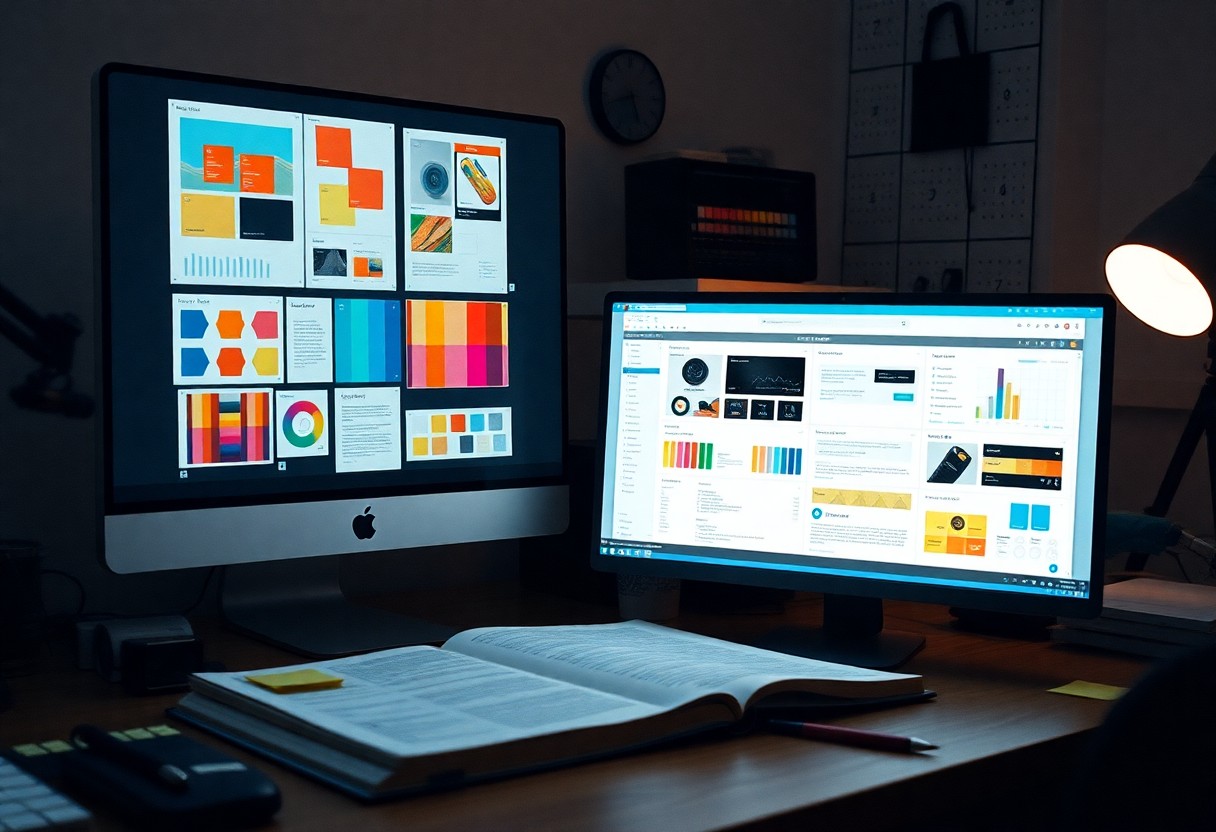
Integrating Feedback: Iterative Improvement in Design
Active integration of feedback during the design process fosters continuous enhancement of user experience. By establishing a culture of open dialogue with users, you can gather insights that inform practical adjustments and refinements. This iterative approach ensures that your design evolves in response to real user needs, leading to more intuitive interfaces and engaging experiences, both online and offline.
User Testing and Its Importance for Refinement
User testing provides direct insights into how real people interact with your design. Observing users as they navigate your product allows you to identify pain points and elements that need improvement. With feedback collected from these sessions, you can make informed decisions that enhance usability and satisfaction, ensuring your design aligns with users’ expectations.
Real-World Examples of Design Evolution
Numerous brands have successfully transformed their designs through feedback and iterations. Take Dropbox, for instance; initial user testing highlighted confusion regarding file sharing features. Based on this feedback, they streamlined the interface, resulting in a 50% increase in user engagement. Similarly, Instagram’s logo underwent several design tweaks based on user responses, ultimately leading to a cleaner visual identity that resonates more with its audience.
Examining these real-world examples reveals the power of design evolution fueled by user feedback. Dropbox’s transition from a complicated file sharing interface to a more intuitive system showcases the impact of incorporating user insights, showcasing a dramatic 50% increase in user engagement. Instagram’s brand evolution further emphasizes this point, where simple changes based on user input have significantly refined its visual identity, fostering stronger connections with its audience. These cases clearly illustrate that effective design is not static but rather a dynamic process shaped by user interactions and preferences.
To wrap up
With this in mind, understanding the five ways graphic design enhances user experience both online and offline can significantly elevate your projects. By integrating visual hierarchy, ensuring accessibility, creating brand consistency, leveraging emotional impact, and optimizing for user interaction, you can effectively engage your audience. Implementing these principles helps you attract and retain users, making your designs not just aesthetic but also functional. Ultimately, prioritizing thoughtful graphic design will lead to a more satisfying experience for your users, fostering loyalty and driving success for your brand.