
Development integrates graphic design and web development so you present coherent visual identity, consistent typography, color, and interaction patterns that strengthen brand recognition and trust across channels.
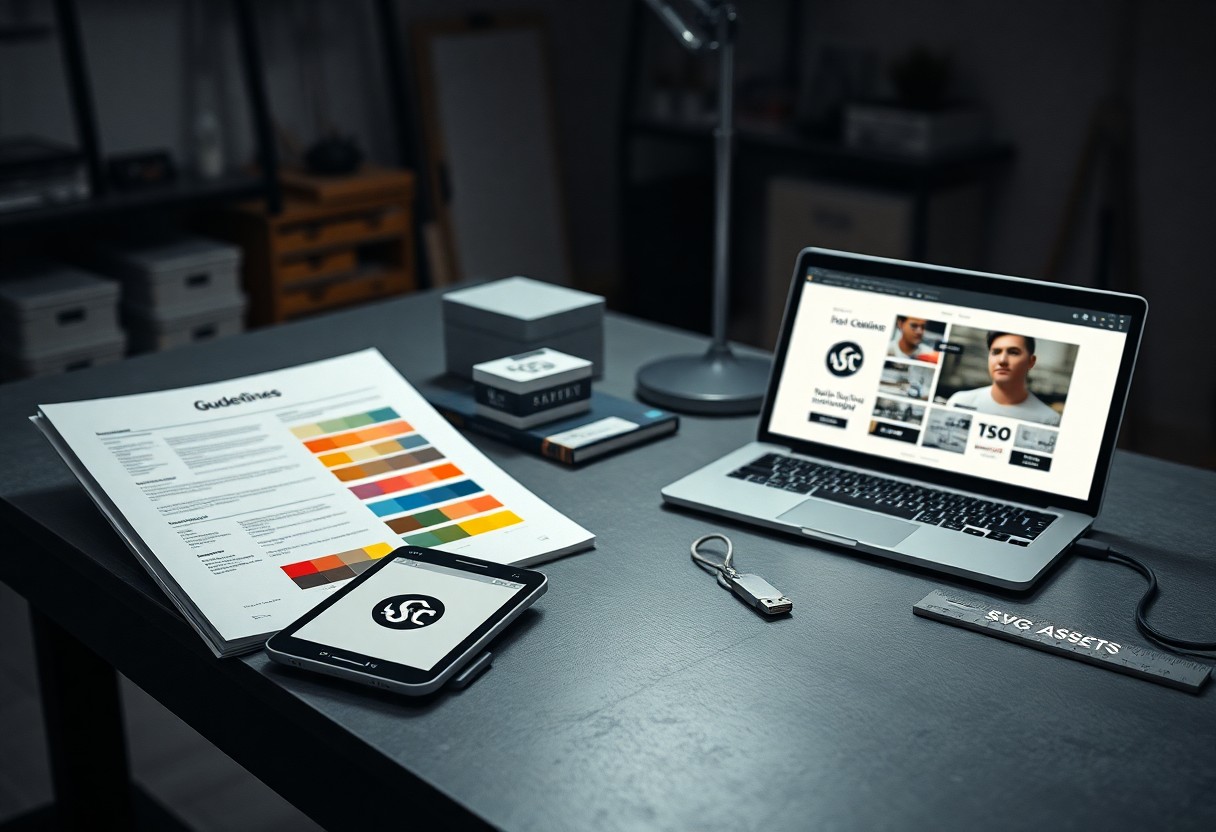
The Pillars of Visual Identity in Graphic Design
Visuals anchor recognition when you align logo, color, typography, and imagery so every touchpoint reflects the same personality and strengthens recall.
Establishing Brand Voice through Color and Typography
Color and typography set tone; when you define a palette and type system, you control mood, hierarchy, and legibility across UI, print, and social.
Designing for Scalability: From Print to Digital Icons
Scale-aware design asks you to craft vector logos, grid-based layouts, and simplified marks so assets retain clarity from billboards to favicons.
Test multiple sizes and formats, export SVG for web and EPS for print, define clear minimum-size and spacing rules, and preview icons at small scales to confirm legibility and consistent brand presence.
Integrating Design into Modern Web Architecture
Design choices should align with your web architecture so brand elements remain consistent across devices, APIs, and CMS workflows while supporting scalability and maintainability.
Translating Visual Assets into Functional Code
Code components should implement your visual system: tokens, responsive styles, and accessible semantics become modular front-end patterns you can reuse and test.
Performance Optimization and Asset Management
Optimize asset delivery by prioritizing critical resources, compressing media, using modern formats, and deferring noncrucial scripts to improve perceived speed for your users.
Caching layers, CDNs, and build-time optimizations let you reduce latency and bandwidth: adopt AVIF/WebP images with responsive srcset, use font-display swap, enable tree-shaking and code-splitting, preload critical assets, set cache-control headers with versioning, and run regular audits to enforce performance budgets and catch regressions early.
User Experience as the Bridge for Brand Loyalty
User experience turns every click and scroll into proof of your brand’s promise, guiding you toward repeat engagement and long-term loyalty through thoughtful design and reliable performance.
Intuitive Navigation and Brand Narrative Flow
Clear menus and content flow let you follow the brand narrative without effort, keeping you engaged and reinforcing messaging across pages.
Enhancing Identity through Interactive UI Elements
Microinteractions and branded animations give you immediate feedback and personality, turning routine tasks into memorable moments that signal the brand.
Craft interactive patterns-branded haptics, predictable motion, contextual tooltips, and subtle sound-that respond to your input and communicate tone; consistent timing, contrast, and accessibility choices make those cues recognizable, help you form expectations, and increase the chance you’ll return across devices.
Consistency Across the Digital Ecosystem
Brand consistency across platforms keeps your message recognizable: cohesive color, typography, tone, and interactions ensure users trust and recall your identity whether they meet you on web, mobile, or email.
Managing Design Systems and Component Libraries
Design systems give you a single source of truth so teams reuse tested components, reduce inconsistencies, and speed development while preserving visual language across pages and products.
Cross-Browser and Cross-Device Visual Integrity
Testing across browsers and devices helps you catch rendering differences early so typography, spacing, and images present consistently for every visitor, reducing surprises and maintaining trust.
Monitor rendering across major browser engines and device types using automated visual regression tests, emulators, and real-device farms. You should include CSS feature queries, progressive enhancement, and tailored fallbacks for fonts and images, plus responsive breakpoints and DPR-aware assets. Use tools like Lighthouse and BrowserStack, compare pixel diffs, and prioritize fixes that impact brand recognition and interaction patterns.
Future-Proofing the Brand Identity
Plan how you will keep visual and technical systems flexible, adopt open standards, document brand decisions, and schedule regular reviews so your identity withstands platform changes and audience shifts.
Adapting to Evolving Web Standards and Trends
Update your codebase and design tokens regularly, adopt progressive enhancement, and monitor accessibility and performance metrics so you stay compatible with new browsers and devices.
Scalability Strategies for Growing Digital Platforms
Scale design systems, component libraries, and content APIs so you can add features, regional variations, and handle traffic growth without redesigning core identity elements.
Consider a component-first workflow where you version UI components, centralize tokens, and expose APIs for content and personalization; use a headless CMS, CDNs, and CI/CD pipelines to deploy safely, implement feature flags and performance budgets for controlled rollouts, and keep clear governance and documentation so teams can expand the brand without breaking consistency.
Conclusion
So you combine consistent visuals, clear messaging, and user-focused development to create a brand identity that endures across platforms, ensuring recognition, trust, and measurable results.